

Brand Strategy & Positioning
Before the logo, there’s the message.
A good brand should make it easier to understand what you do, why you matter and why someone should choose you.
Brand strategy gets that bit clear before everyone starts arguing about colours.
We help new businesses, growing brands and established organisations define their positioning, audience, proposition, messaging and personality, then turn that thinking into something people can actually use.
Looking good is not the same as being clear.
Shopfront signage designed around your brand. Your front door. But louder.
A fascia sign is often one of the biggest pieces of branding your customers will ever see.
So we treat it like one. Rather than sticking a logo on a rectangle and calling it a day, we consider the building, viewing distance, surrounding environment, materials, colours and the rest of your visual identity. Already have established brand guidelines?
Great. Need us to sort the branding first? Also great. From initial artwork through to print, production and installation, we keep the whole thing joined up.
-
Where do you belong?
We define the space your brand should occupy in the market and what you want to be known for.
That means looking at your offer, competition, strengths and ambitions, then finding a position that feels credible, distinctive and useful.
The aim is not to invent something clever for a workshop.
It is to give people a clear reason to choose you.
-
Know who you’re talking to.
Not everyone is your customer.
Which is quite helpful, because trying to speak to everybody usually results in saying very little.
We look at the people you need to reach, what matters to them, what gets in their way and what they actually need from your brand.
This gives the creative and messaging a real audience rather than an imaginary person called “Sarah, 32”.
-
Say something worth remembering.
Your proposition is the clearest expression of why the business matters.
We help turn complicated offers, long service lists and internal language into something customers can understand quickly.
That can include:
Brand proposition
Value proposition
Key messages
Straplines
Elevator pitches
Service messaging
Reasons to believe
Campaign messaging
Useful for websites.
Also very useful when someone asks what the company does at a wedding.
-
Make the complicated bit make sense.
Multiple services. Sub-brands. Products. Divisions. Audiences.
As businesses grow, the structure can become a bit... organic.
We help organise how different parts of the brand relate to each other, what should sit together and what needs its own identity.
Particularly useful for organisations that have acquired, expanded or launched things faster than anybody updated the brand guidelines.
-
A lot to ask from a few letters.
Company names, products, services, campaigns and new ventures all need names people can say, remember and hopefully spell.
We develop naming territories and ideas around the strategy, audience and personality of the brand.
Then we narrow things down before somebody becomes emotionally attached to the first available .co.uk.
-
Work out how the brand sounds.
Professional does not have to mean robotic.
Friendly does not have to mean putting an exclamation mark after everything.
We define the character, language and principles behind how your brand communicates, then show how that voice works across websites, campaigns, sales material and everyday communications.
The goal is simple.
Sound like the same company everywhere.
What do you actually get?
Strategy you can use on Monday morning.
Depending on the scope, your brand strategy might include:
Positioning statement
A clear definition of where the brand sits and what it should own.
Audience profiles
Who matters, what motivates them and what they need from you.
Competitive positioning
A view of the category and where there is genuine room to stand apart.
Brand proposition
The central idea that explains the value you offer.
Messaging framework
Key messages, supporting proof and language for different audiences.
Brand personality
The traits and behaviours that shape how the business presents itself.
Tone of voice
Practical guidance for how the brand should sound.
Brand architecture
A clearer structure for products, services, divisions or sub-brands where needed.
No mysterious marketing fog.
Just useful decisions everyone can work from.
Our work
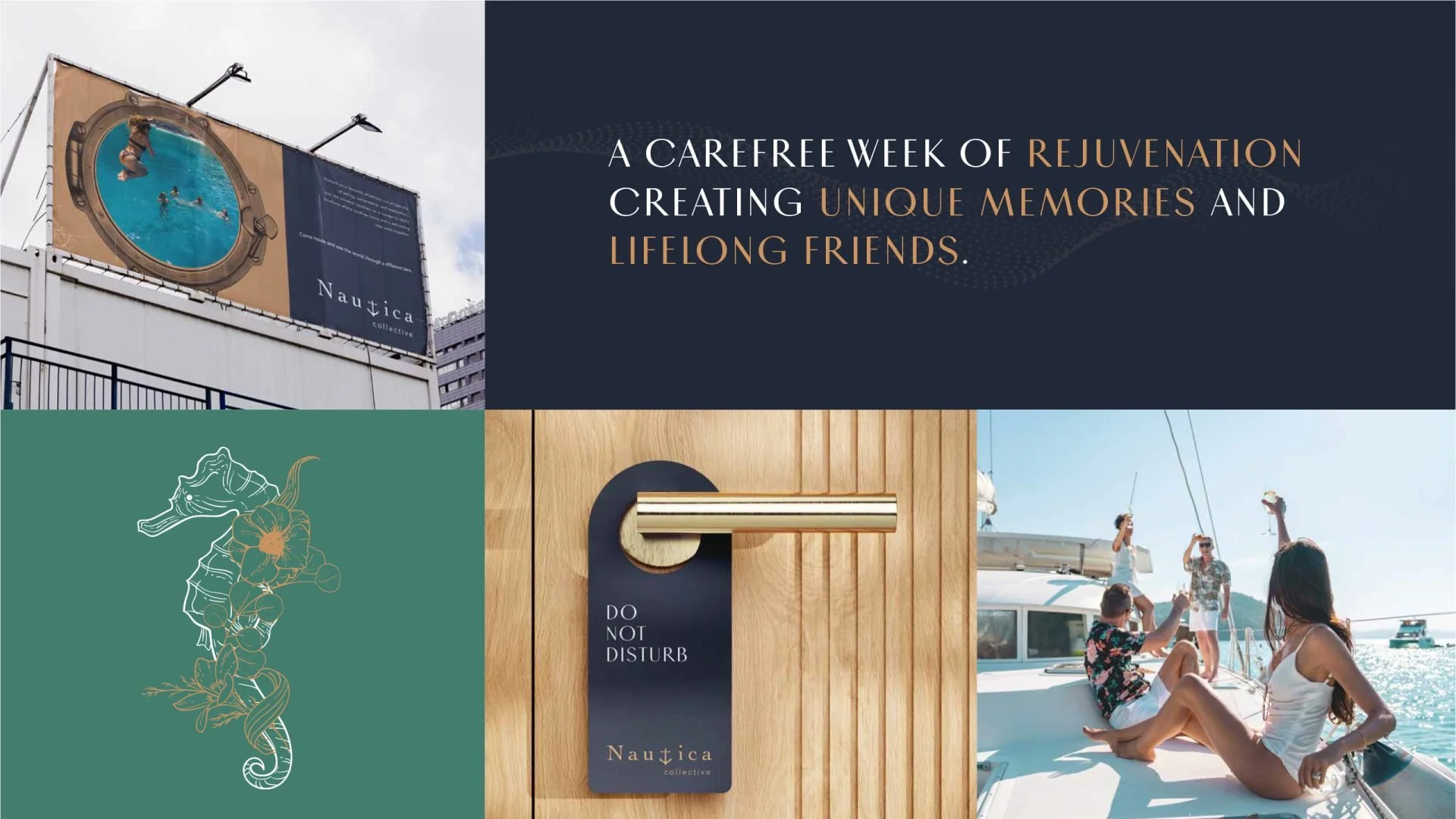
Nautica Collective
Brand positioning, identity and conceptual idea for launch this luxury boutique holiday brand into the market.
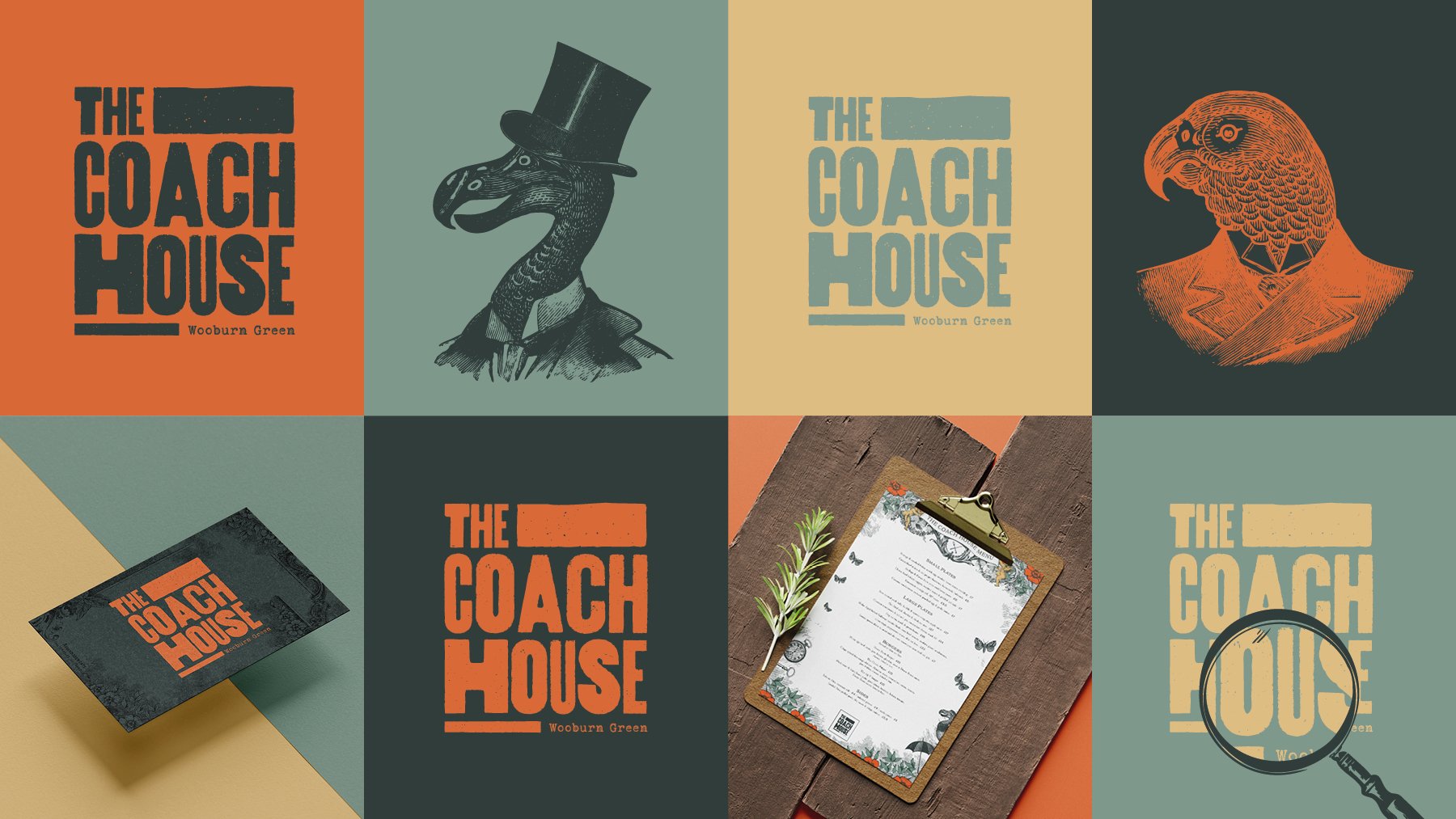
The Coach House
Brand positioning and design strategy to put this quirky, quintessentially British pub on the map.
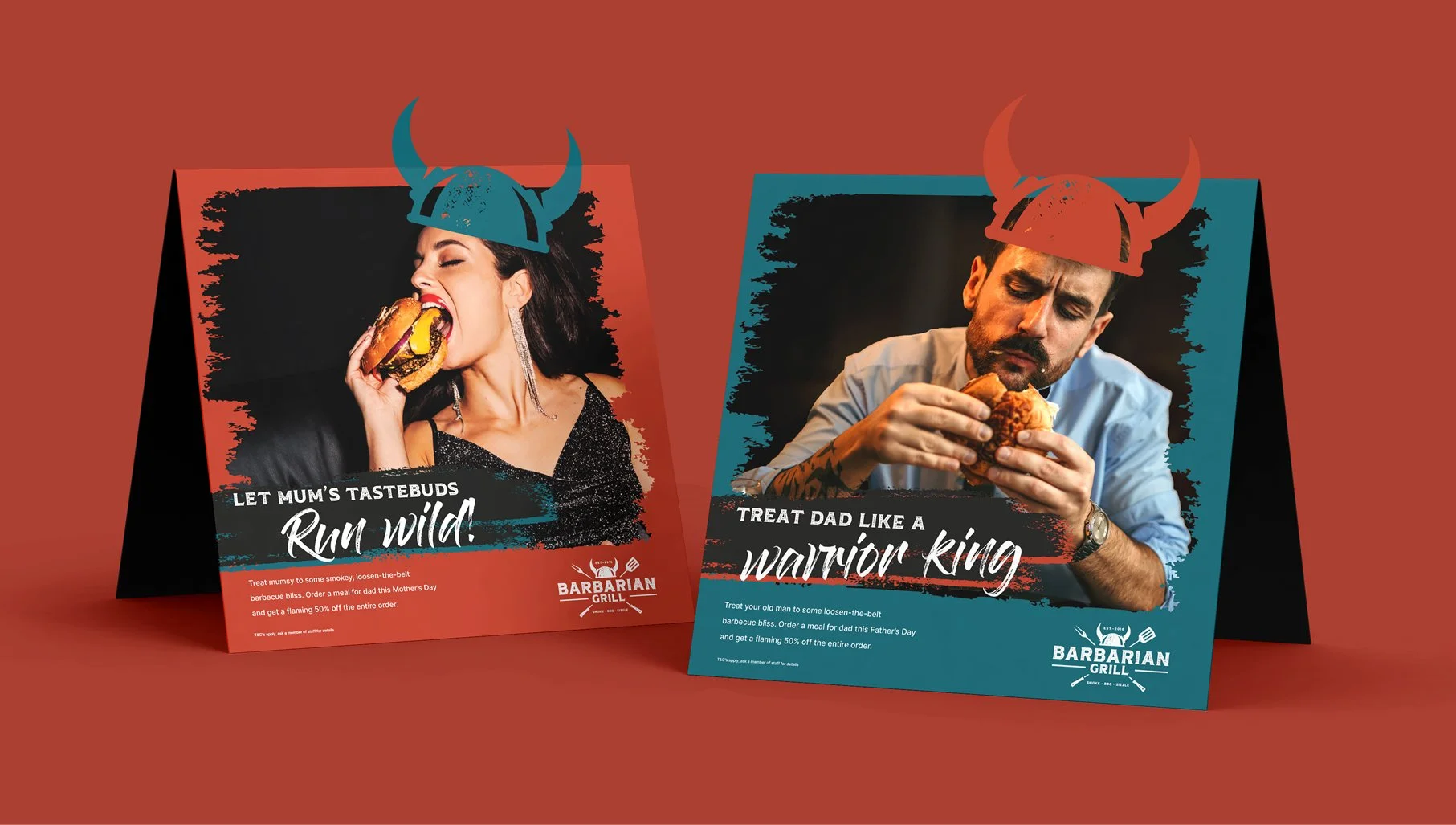
Barbarian Grill
A wild and engaging positioning for this emerging catering service, with a focus on wild food and emotions.
Strategy with somewhere to go.
We believe brand strategy becomes much more valuable when it informs the things customers actually encounter.
A proposition should influence the website.
Positioning should shape the campaign.
The identity should reflect the personality.
And when the brand eventually appears on a shopfront, brochure, menu, uniform or van, it should still feel like the same idea.
Toy brings brand strategy, design and physical production together, with capabilities spanning identity, campaigns, websites, print, signage and vehicle graphics.
Strategy → Identity → Creative → Digital → Print → Signage
One thought.
Lots of places to put it.
Frequently Asked Questions
-
Brand strategy defines what your brand stands for, who it is for, how it is positioned and how it should communicate.
It creates the thinking that guides your identity, messaging, marketing and wider customer experience.
In simpler terms, it works out what you want people to think about you before deciding what font to use.
-
Brand strategy is the thinking behind the brand.
Branding is how that thinking is expressed through things like your logo, visual identity, tone of voice, website, campaigns and physical touchpoints.
We do both, which makes joining the two together considerably easier.
-
Not every logo project needs a large strategic exercise.
For simpler businesses, a focused discovery process may give us everything we need.
For larger, more competitive or more complicated brands, investing in strategy first usually gives the identity a much clearer job to do.
We will tell you which approach we think makes sense rather than selling you a workshop for the sake of having one.
-
Yes.
Repositioning is often about identifying what has changed in the business, audience or market and deciding what the brand should stand for going forward.
That strategic work can then inform new messaging, identity, campaigns and digital communications.
-
Yes.
Workshops can be useful for bringing founders, leadership teams and stakeholders together to uncover different perspectives and reach decisions more quickly.
They can be run in person or remotely depending on the project and team.
-
Absolutely.
We can lead the strategy or work alongside internal marketing, brand and leadership teams.
For larger organisations, that collaborative approach is often the most useful because your team brings the deep business knowledge and we bring an outside perspective.
-
Whatever the brand needs next.
That could be a new identity, website, advertising campaign, launch materials, signage, print or a complete rollout.
Toy can take the strategic direction into creative and production, so the thinking does not get lost between agencies and suppliers.
-
t depends on the size of the organisation, number of stakeholders and depth of research required.
A focused strategy for a smaller business can move relatively quickly. A larger repositioning project involving workshops, research and multiple decision-makers naturally needs more time.
We agree the scope and timings before starting.
Still trying to explain what makes you different?
Good place to start.
Whether you are launching something new, repositioning an established business or simply trying to get everyone saying the same thing, we can help find the clarity underneath it all.
Unit 7B, Anamax House, Gerrards Cross